
If you’re searching for authentic Afghani-Iranian dinner ideas, you’ve probably noticed two extremes online: guides that oversimplify the cuisine, and ones that make it sound impossible without a restaurant kitchen. Neither is true. At Chopan Kabab in Al Ain, we’ve served this exact style of food since 2021, and hosting it at home comes down to a handful of choices — the right dishes, the right sides, and a few small touches that signal “this is the real thing.” Here’s how to put it together.
What Makes an Afghani-Iranian Feast Different From a Regular Dinner Party?
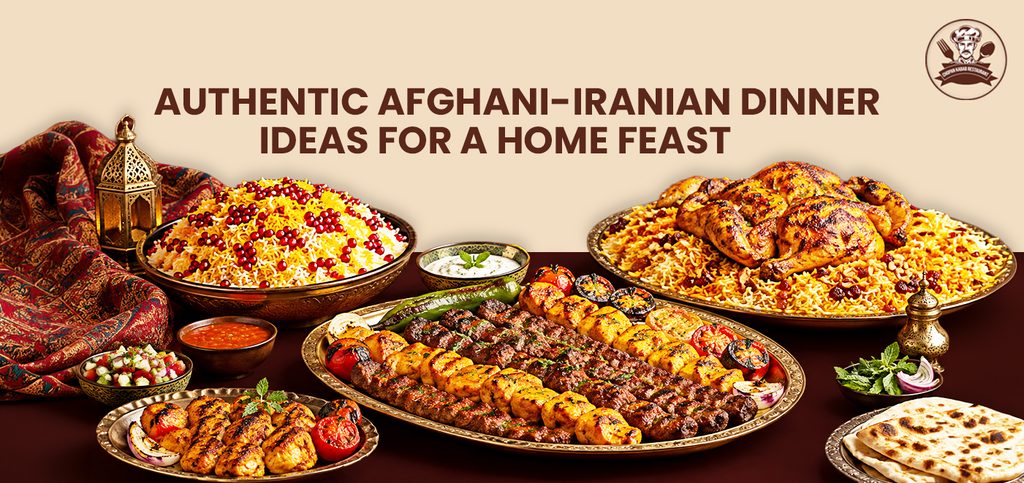
An Afghani-Iranian feast centers on slow-grilled kabab, fragrant rice, and shared platters — not individual courses served one after another. Guests eat family-style, passing dishes rather than waiting for a set menu to arrive in sequence. That’s rooted in hospitality traditions from both Iran and Afghanistan, where a good meal is judged as much by the warmth of the welcome as by the food itself. If you only remember one thing from this guide, remember that: build the meal around sharing, not portions.
Building Your Menu: The Dishes That Belong at the Table
Here’s the shortlist. Skip any one of these and the meal still works, but all four together is what makes it feel complete.
| Dish Category | Role at the Table | Hosting Tip |
| Kabab | The centerpiece everyone builds their plate around | Marinate overnight; char-grill for real flavor |
| Rice & Bread | Absorbs sauce and scoops meat, family-style | Keep bread within reach of every seat |
| Fresh Juice | Cuts the richness of grilled meat | Pomegranate or mint-lemon work well |
| Seafood | Variety for guests who skip red meat | Grill it, don’t fry, to match the theme |
Kabab, the Centerpiece
Kabab is non-negotiable — it’s the dish the whole meal is built around. Marinate your meat in a mix that includes saffron, yogurt, and grated onion for at least a few hours, ideally overnight. Charcoal grilling gives you the smoky char that an oven or stovetop pan can’t fully replicate; if you don’t have an outdoor grill, a cast-iron pan on high heat is the next best option.
Rice and Bread
Serve kabab with saffron rice or a simple pilaf, plus warm flatbread on the side. Bread isn’t just a filler here — guests use it to scoop rice and wrap bites of meat, so keep a stack within easy reach of every seat.
A Fresh Drink Pairing
Skip the soda. A cold glass of fresh juice cuts through the richness of grilled meat far better, and it’s a detail that instantly makes the table feel more considered. Pomegranate, mint-lemon, or a simple fresh orange juice all work.
A Seafood Option for Variety
If your guest list includes anyone who doesn’t eat red meat, a grilled seafood dish rounds out the table without breaking the theme — Iranian and Afghani coastal influences make seafood a natural fit, not an odd addition.
Setting the Table and Atmosphere Like a Local Host
Small things matter more than expensive ones here.
- Serve on shared platters rather than plating individual portions — it encourages conversation and second helpings.
- Greet guests at the door yourself. It sounds obvious, but it’s the single biggest signal of hospitality in this culture.
- Keep the lighting warm and low rather than bright and functional.
- Don’t rush dessert or tea. A long, unhurried table is part of the tradition, not a delay.
Common Mistakes to Avoid When Hosting This Style of Dinner
- Rushing the kabab marinade. Thirty minutes isn’t enough — plan the night before.
- Treating it like a buffet. Shared, seated platters feel completely different from a self-serve line, even with identical food.
- Forgetting the drink pairing. It’s an easy detail to skip and an easy one for guests to notice.
- Overloading the table all at once instead of staggering it: bread first, then kabab, then tea.
Short on Time? Order the Feast Ready-Made Instead
Not every dinner needs to start from scratch. If you’d rather skip the marinating and grilling and still put an authentic spread on the table, Chopan Kabab in Al Ain prepares the full range — kabab, seafood, sandwiches, and fresh juice — ready to pick up or delivered to your door. Order through WhatsApp at +971 50 647 9972, or call +971 3-7371949 to arrange a larger order for a group. It’s the same food, without the prep.
FAQ
What’s the difference between Iranian and Afghani cuisine?
Iranian cuisine leans on saffron, rice, and slow-cooked stews, while Afghani cuisine shares many of the same ingredients but leans more heavily on grilled meats, dumplings, and simpler spice profiles. The two overlap enough that many dishes, like kabab, appear in both traditions with small regional differences.
Do I need a charcoal grill to make authentic kabab at home?
A charcoal grill gets you closest to the traditional smoky flavor, but a cast-iron pan or a stovetop grill pan on high heat works as a solid substitute if you don’t have outdoor grilling space.
What should I serve alongside kabab at an Afghani-Iranian dinner?
Saffron rice, warm flatbread, and a fresh juice pairing are the standard accompaniments. A seafood dish is a good addition if some guests don’t eat red meat.
Is Afghani-Iranian food typically halal?
Traditional Afghani and Iranian cooking is generally halal-friendly by default, since it doesn’t rely on pork or alcohol-based ingredients. If you’re ordering catering rather than cooking yourself, it’s still worth confirming halal sourcing directly with the restaurant you choose.
How many dishes should I plan per guest?
For a shared-platter style dinner, plan on one protein dish, one rice or bread dish, and one drink per two to three guests, then add extra portions rather than more dish variety if the group is larger.
Can I order a ready-made Afghani-Iranian feast instead of cooking it myself?
Yes. Restaurants specializing in this cuisine, like Chopan Kabab in Al Ain, offer kabab, seafood, and sides ready for pickup or delivery, so you can skip the prep entirely and still serve an authentic spread.
Final Thought
Hosting an Afghani-Iranian feast doesn’t require perfection — it requires a good kabab, a shared table, and a warm welcome at the door. Cook it yourself if you’ve got the time, or let Chopan Kabab handle the kitchen while you handle the guests. Either way, the goal is the same: a table worth showing up for.